1
Enter with a return beacon
Do not rely on wreck silhouettes alone. The Graveyard is readable from outside, but inside the wreck field every angle starts to look like another broken rib or hull plate.
A wreckage-heavy biome filled with alien hull fragments, skeletal remains, salvage pockets, and ambiguous structural audio. The Graveyard is not a pure combat zone. It is a planned scan-and-loot route where navigation discipline matters more than bravado.
Updated 2026-10-04.
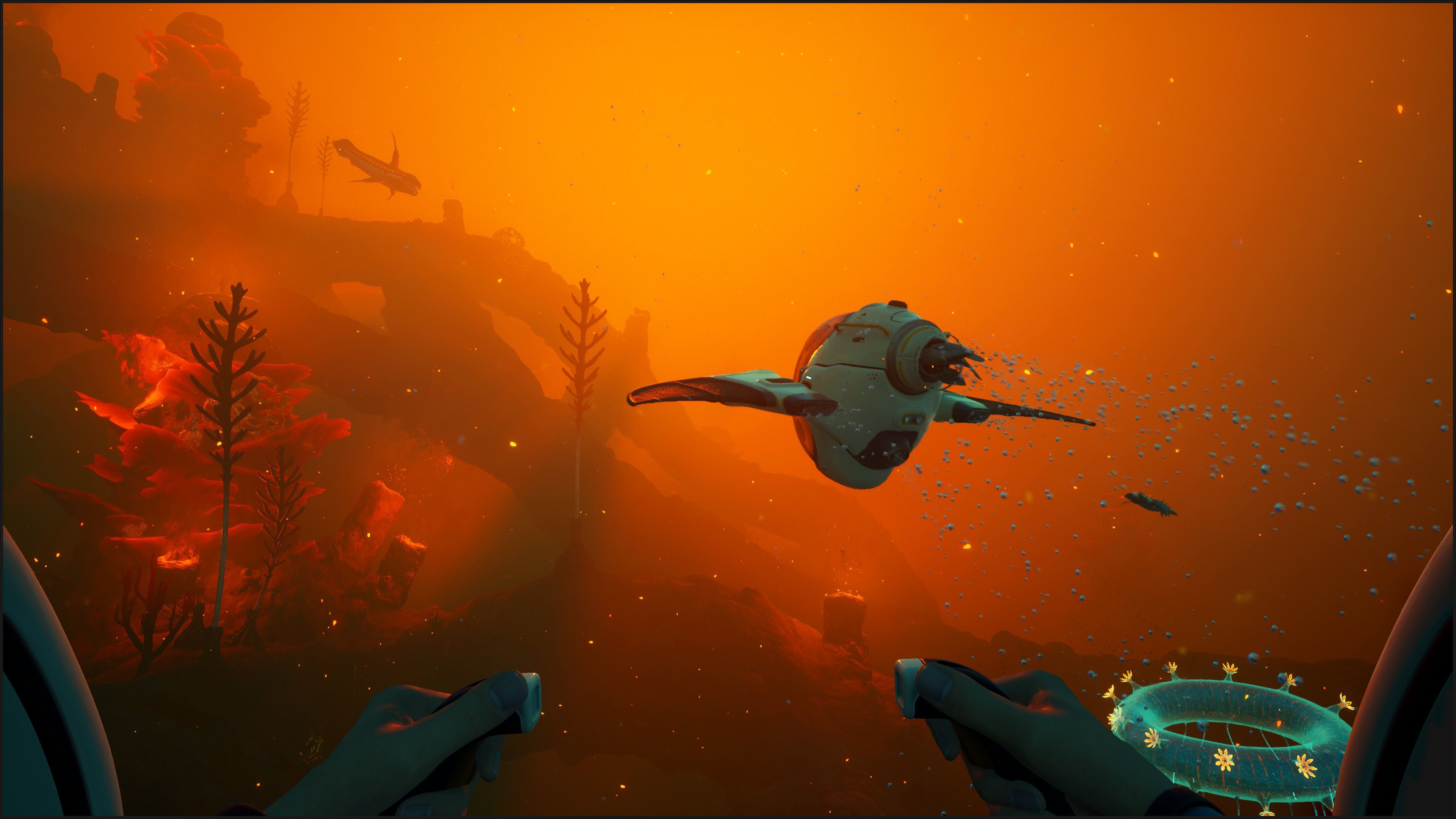
Do not rely on wreck silhouettes alone. The Graveyard is readable from outside, but inside the wreck field every angle starts to look like another broken rib or hull plate.
Start with exposed skeletal remains and open salvage before entering tight wreckage. Outer scans teach the layout without trapping you in blocked corridors.
Pick a single wreck, scan it, loot it, and leave. Chaining multiple interiors is how oxygen mistakes and route confusion compound.
Structural groans often occur near unstable wreck geometry. Turn toward the route out when the audio changes.
Alien vessel fragments and collapsed structures are the main draw. Search open hull edges before committing to interiors.
The biome is a strong candidate for clustered mid-game unlocks because fragments sit near wreckage and bone-yard landmarks.
Massive creature remains are unique information sources and likely lore anchors for the local ecosystem.
Expect shallow basics with occasional deeper-zone finds carried into the wreck field or tucked under debris.
High-priority lore scans. Start here because they are visible and lower risk than interiors.
Scan exterior plates, consoles, broken doors, and identifiable machine pieces before entering.
Blueprint fragments and salvage often cluster where wrecks create sheltered pockets.
Passive creatures fleeing through the Graveyard can warn you about a predator crossing from a nearby biome.
Wreck corridors can end in collapsed geometry. Keep the entry visible or leave a light trail with your own pathing memory.
Groans and distant rumbles are part of the biome identity. They can sound like leviathan ambience even when the source is structural.
No resident leviathan is confirmed here, but predators can drift through from neighboring zones. A moderate rating still deserves a planned exit.
The Graveyard rewards one more scan and one more fragment. Stop before oxygen and inventory pressure both turn against you.
The Graveyard is the first biome in batch 1 that asks for deliberate entry and exit rules. Kelp Forest and Jelly Plateaus reward broad scanning. The Graveyard rewards restraint: choose one wreck, one bone cluster, or one salvage pocket, then leave with the data instead of trying to empty the whole zone in a single oxygen cycle.
The strongest runs start on the outside. Exposed ribs and hull plates give scan progress while you learn the silhouette of the wreck field. Once you understand the outer landmarks, interiors become manageable rather than confusing.
The Graveyard is a moderate-danger biome filled with alien vessel wreckage and massive skeletal remains. Its value comes from unique scans, salvage clusters, blueprint fragments, and lore clues about the planet rather than a single resident creature.
Moderate: 3 / 5. The risk is mostly navigation, wreck geometry, and occasional predator traffic from adjacent biomes. It is not a first-hour destination, but it is manageable once you have a stable base, scanner rhythm, and a beacon.
No active Graveyard leviathan is confirmed in the launch build. The skeletal remains suggest historical leviathan-scale life, and the audio can mimic deep predator cues, but the confirmed apex resident is the Collector Leviathan in the Sparse Plains.
The Graveyard has unique skeletal scans and dense wreckage fragments that can unlock several mid-game entries in a short route. It is one of the best places to turn a planned scan run into meaningful progression.
After the first Kelp Forest base is stable and after you can complete Jelly Plateaus-style mid-depth routes without getting lost. Bring a beacon, supplies, and enough inventory space to make the salvage run worth it.
You can, but it is better as a forward outpost than a main home. Build near the outer edge with clear exits, not deep inside a wreck field where geometry and predator traffic can complicate every return.
Use these pages to separate Graveyard risk from true apex-zone risk.
Return to the Subnautica 2 biome index.
Lower-risk mid-depth route to practice before Graveyard runs.
The extreme-danger apex zone you should not confuse with Graveyard ambience.
The confirmed leviathan threat tied to the Sparse Plains.
Useful for repeated salvage runs and fast exits.
Connect Graveyard salvage to crafting and progression notes.