Do not farm by danger rating
High danger does not mean high material return. The Sparse Plains are intentionally sparse, while Kelp Forest and Graveyard runs can be more efficient for ordinary progression.
Batch 1 covers the four biome pages most useful for early survival routing: Kelp Forest, Jelly Plateaus, Graveyard, and Sparse Plains. Each page now focuses on route order, scan value, resource expectations, base viability, and the hazards that actually change player decisions.

Spawn perimeter, first scans, Angel Comb route, and first base.
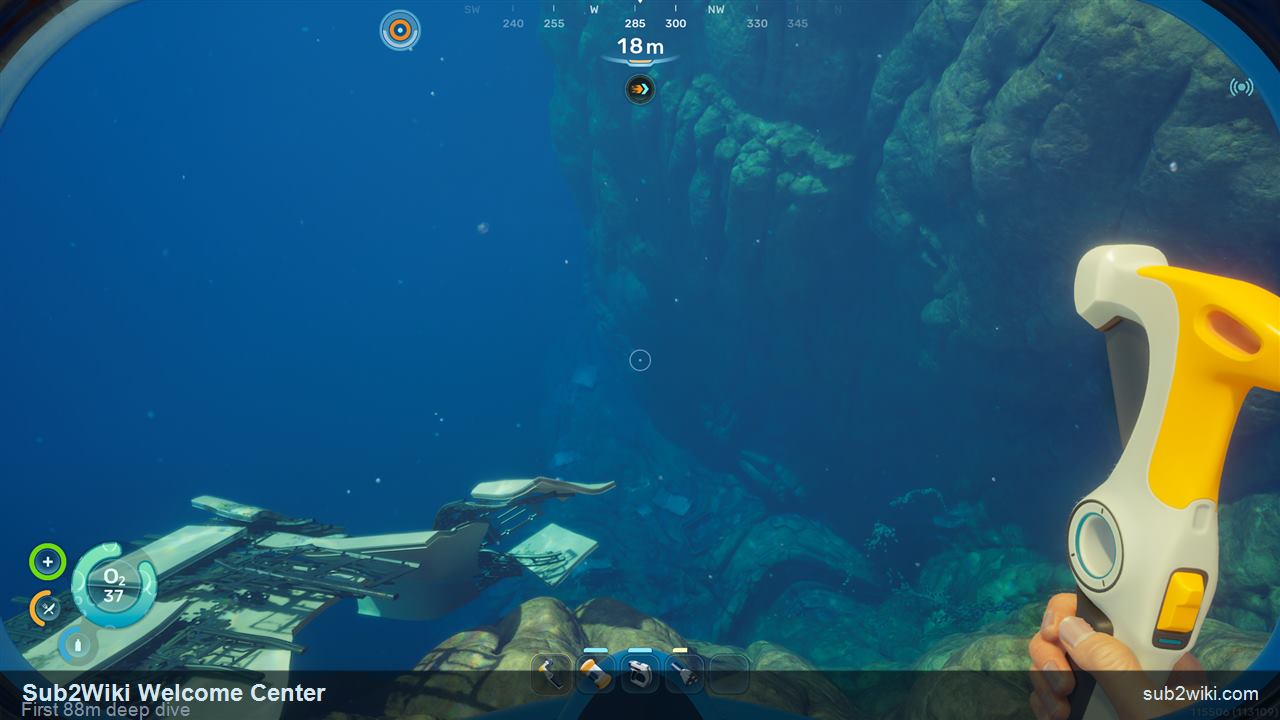
Low-danger shelf route, glowing flora scans, and early base relocation candidate.
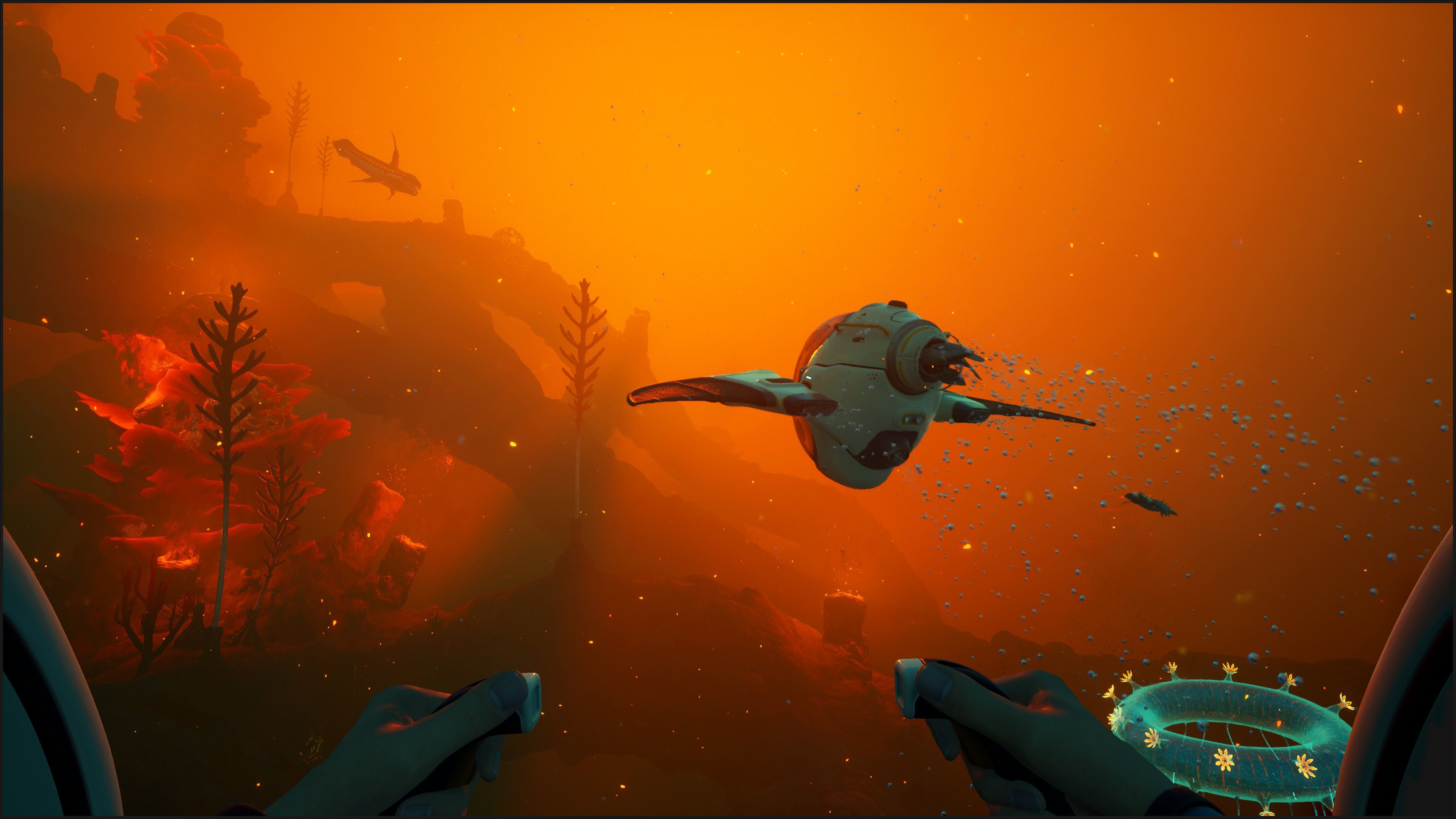
Alien wreckage, skeletal remains, dense scans, salvage, and navigation hazards.

Collector Leviathan territory. Extreme danger, sparse resources, edge scouting only.
Use this as the spoiler-light sequence for early biome progression.
| Timing | Biome | Goal |
|---|---|---|
| First save | Kelp Forest | Cure Digestive Incompatibility, scan passive fauna, build one compact base. |
| Session two | Jelly Plateaus | Practice mid-depth route discipline and mark a better base shelf. |
| Stable kit | Graveyard | Run focused scan-and-salvage routes through wreckage and skeletal remains. |
| Vehicle ready | Sparse Plains edge | Scout only with a Tadpole, beaconed exit, and a clear reason to enter. |
High danger does not mean high material return. The Sparse Plains are intentionally sparse, while Kelp Forest and Graveyard runs can be more efficient for ordinary progression.
The best biome runs start from boundaries: Kelp edge to Plateaus, Plateaus shelf to Graveyard, known boundary to Sparse Plains scouting.
Every biome after the Kelp Forest can hide the return path. Place the marker before the scan, not after you are already lost.
Use these pages to connect biome routing with survival systems, vehicles, and creature risk.
Connect materials to repeatable gathering notes.
Track fauna by biome, threat level, and scan value.
The safe route through Kelp Forest before deeper trips.
The vehicle that makes mid-depth and Sparse Plains scouting practical.
Apex threat that defines the Sparse Plains.
The Anita black box and Digestion gene route every new save should do first.